
Iran's war narrative: Lessons for middle powers?
Middle power states can shape global opinion more effectively than great powers—all it takes is planning, preparation, and credibility.

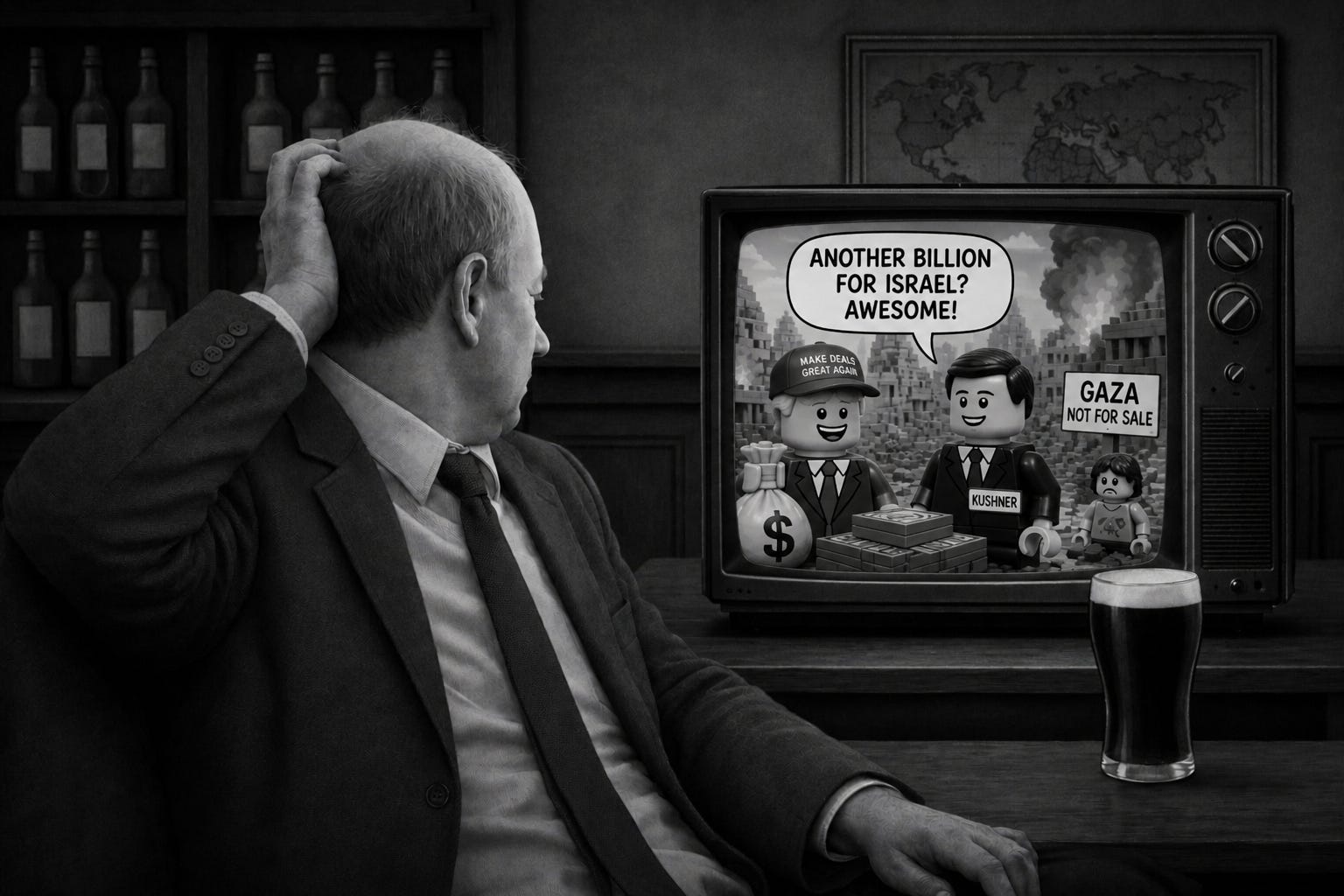
The conflict surrounding Iran has revealed something unexpected and deeply important about modern geopolitics: the global information environment is not dominated by great powers and their polished institutional messaging and legacy media networks. Increasingly, influence belongs to whoever appears most believable.
Iran has demonstrated incredible skill in presenting its perspective in ways that resonate with foreign audiences.
For decades, the dominant Western image of Iran was relatively simple. Iran was portrayed as an isolated radical theocracy ruled by fanatics shouting slogans from behind podiums. Its officials were caricatured as ideologues disconnected from modernity, diplomacy, or intellectual sophistication.
That narrative has fractured. Three highly effective approaches stand out.
First, Iranian-aligned social media networks have embraced memes, AI-generated Lego animations, TikTok aesthetics, satire, and internet-native humor to circulate political messaging internationally. Rather than relying purely on rigid ideological broadcasts, these networks communicate in the language of contemporary online culture itself.
The brilliance of the Lego-style videos in particular has been incredible. The childish visuals lowered audiences’ instinctive defenses. The content looked less like propaganda and more like ordinary internet absurdity—ironic, un-serious, and highly shareable. Yet embedded within the humor were political narratives about American hypocrisy, Israeli actions, Western double standards, and global power structures.
This was not old propaganda. It was narrative warfare disguised as entertainment.
Second, Iranian diplomatic messaging abroad evolved dramatically. Embassy social media accounts increasingly abandoned sterile diplomatic language in favor of emotionally charged commentary, sarcasm, meme engagement, and rapid-response online participation. The Iranian embassy in South Africa has been particularly noticeable for its aggressive and culturally fluent online presence, understanding that modern diplomacy increasingly occurs not in conference rooms but inside algorithm-driven attention markets.
Third, the Iranian position has also been put forward by personalities rather than institutions. The modern image of Iran abroad is increasingly shaped not by clerics or state television presenters, but by calm, articulate, highly educated English-speaking commentators capable of operating effectively within alternative media ecosystems.
Professor Seyed Mohammad Marandi is perhaps the clearest example. Marandi’s influence reveals how dramatically the structure of credibility has changed in the digital age. Fluent, composed, academically credentialed, and deeply familiar with Western political discourse, he appears not as a stereotypical regime ideologue but as a thoughtful and informed intellectual calmly presenting Iran’s perspective in long-form interviews and podcasts.
Whether one agrees with him is almost secondary. The important point is that he is believable—and believability is now geopolitical power.
This has produced a remarkable inversion of older Western narratives. Increasingly, audiences are confronted not with images of irrational Iranian radicals, but with teams of highly educated Iranian diplomats and academics speaking in measured, sophisticated language while facing off against figures such as Steve Witkoff and Jared Kushner—men whose backgrounds lie primarily in aggressive real estate dealmaking, branding, and transactional business culture.
These optics matter enormously. When viewers watch seasoned Iranian negotiators discussing history, law, sanctions frameworks, regional balance, and nuclear doctrine opposite men publicly described as “deal guys” from the New York property world, the narrative of Iran as irrational erodes at the same speed that the narrative of the U.S. as measured and just erodes.
Long-form podcasts, YouTube interviews, Substack essays, and independent geopolitical channels reward calmness, confidence, nuance, and conversational fluency far more than traditional television ever did. In that environment, an articulate professor speaking uninterrupted for two hours can become vastly more persuasive than an official government press briefing.
Iran understood this earlier than many expected.
Crucially, Iran’s success does not necessarily stem from convincing global audiences that the Islamic Republic is virtuous. Rather, its information strategy works by undermining older certainties and exposing contradictions within Western narratives themselves. Once audiences begin questioning one assumption—for example, that Iran’s representatives are irrational extremists—they often begin questioning many others as well.
Of course, Iran’s narrative has also been strengthened by broader regional realities. The Gaza genocide. The invasion of Lebanon. Destroyed schools, starvation, and mass displacement spread constantly online, often accompanied by what many audiences perceived as indifference or outright arrogance from Israeli and U.S. officials. The duplicity and perfidy of strikes in the midst of negotiations and 160 children killed on the first day in Minab. Against this backdrop, Iran benefited from appearing comparatively restrained and disciplined in its military strikes and its rhetoric.
Iranian officials and commentators frequently spoke in the language of international law, proportionality, and restraint — a contrast that resonated strongly across the Global South and alternative media ecosystems. The audience comes to a conclusion by itself through a subtle arranging of cold hard facts and their repetition across a modern array of platforms.
This begs the question, is South Korea doing enough to adapt to the changed global information environment?
For all of Seoul’s enormous cultural success, Korea’s strategic communication abroad often remains institutionally rigid and strangely outdated. Korea possesses one of the most powerful soft power ecosystems on earth through film, music, gaming, streaming culture, technology, and fashion. Yet its geopolitical communication frequently still resembles twentieth-century diplomacy: formal statements by stiff men in suits, cautious press releases, and heavily managed messaging.
But modern influence no longer works that way.
The Iran case demonstrates that future strategic communication will increasingly depend on coordinated networks of persuasive personalities: professors, commentators, podcasters, influencers, embassy accounts, meme creators, and long-form conversationalists capable of shaping emotional and intellectual perceptions simultaneously.
South Korea already possesses the cultural infrastructure needed to excel in this environment. Korean popular culture succeeds globally precisely because it understands emotional pacing, relatability, aesthetic fluency, and narrative immersion better than most states or corporations.
The missing step is applying those same principles to geopolitical communication.
That does not mean Seoul should imitate Iranian propaganda or engage in manipulative disinformation. But it does mean recognizing a hard reality: in the twenty-first century, credibility is no longer automatically granted through institutional prestige alone.
It is performed—and that performance must begin well before the crisis begins.
The Iran conflict has demonstrated that middle power states can shape global opinion more effectively than great powers with the largest militaries, decades of psyops experience, and the loudest official voices. All it takes is planning, preparation, and credibility.
—
Support, share, comment, and/or subscribe - Buy Me a Coffee!