

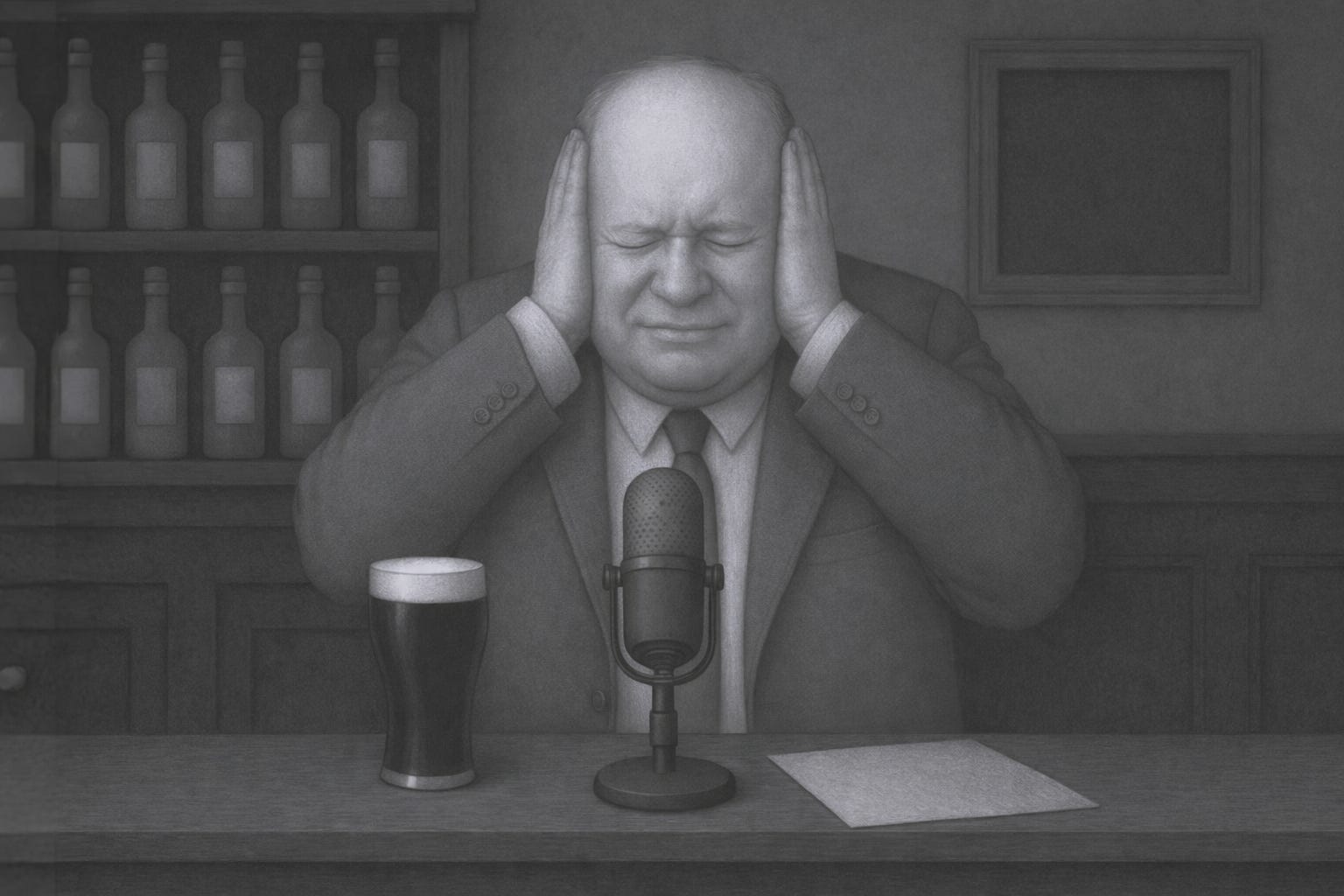
Threatening to end a civilization is a veiled nuclear threat. With that threat, Trump has shaped future actions.
Strategy begins with language. The way leaders describe capabilities, signal intentions, and frame red lines shapes not only how others interpret them, but also the limits and possibilities of future action.
First, the veiled threat of nuclear weapons use by a major power against a middle power weakens the nuclear taboo. For decades, nuclear weapons were treated as fundamentally different. They were politically unusable except in the most extreme circumstances and they were the preserve of major powers. That restraint depended not only on capability, but on language and signaling.
When the leader of a major power implicitly invokes nuclear use in a regional conflict with a middle power, even without crossing the threshold, the boundary shifts. Nuclear weapons become part of the spectrum of coercion rather than instruments of last resort. The taboo does not collapse outright, but it is incrementally eroded. Each repetition makes such rhetoric more acceptable, and therefore more likely to recur.
Second, this erosion makes nuclear acquisition more rational for middle powers. States such as South Korea observe that nuclear weapons are not merely deterrents, but tools of leverage. If nuclear ambiguity can shape crises and extract concessions, then remaining non-nuclear becomes a position of vulnerability rather than restraint.
On the Korean Peninsula, this logic is particularly stark. South Korea has two nuclear-armed neighbors, and depends on US extended deterrence. The credibility of US extended deterrence is now associated with veiled threats of nuclear weapons use. Under these conditions, pursuing an independent nuclear capability and ensuring more competent signalling, begins to look less like defiance of the international order and more like adaptation to it.
Third, the normalization of nuclear threat makes actual use more conceivable. Language shapes strategic behavior. As nuclear threats are discussed more openly, they are increasingly incorporated into military planning and political decision-making.
The psychological and political barriers to use are gradually lowered. This is especially dangerous in regions like the Korean Peninsula, where crises are fast-moving and escalation pressures are intense. Once nuclear weapons are treated as usable in theory, the conditions under which they might be used in practice become easier to imagine—and therefore easier to justify in moments of acute tension.
For decades, restraint in language reinforced restraint in action. Nuclear weapons were not just rarely used—they were rarely spoken of as usable. That linguistic boundary helped sustain the broader strategic one. When that language changes, strategy changes with it.
North Korea’s nuclear threats were once dismissed as bluster and bluff. When a U.S. president does the same, the frame changes. Trump’s first term came close enough to conflict with North Korea. After a short while, it was pretty clear that it was all a show for the cameras.
Imagine now a direct contest between Kim Jong-un and today’s less competent Donald Trump. The similarity of their language hides a near complete inability to understand each other. For Trump, veiled nuclear threats will now be just another card to play. The risk of miscalculation is frightening.
The introduction of nuclear threats into routine strategic language has set off a chain reaction: it will weaken the taboo, encourage proliferation, and lower the threshold for use. Regardless of whether Trump’s intention was ambiguity or bluff, the precedent has been set.
In the future, historians will look back and argue that the most significant nuclear shift was not the launch, but the normalization of strategic language that made a launch possible.